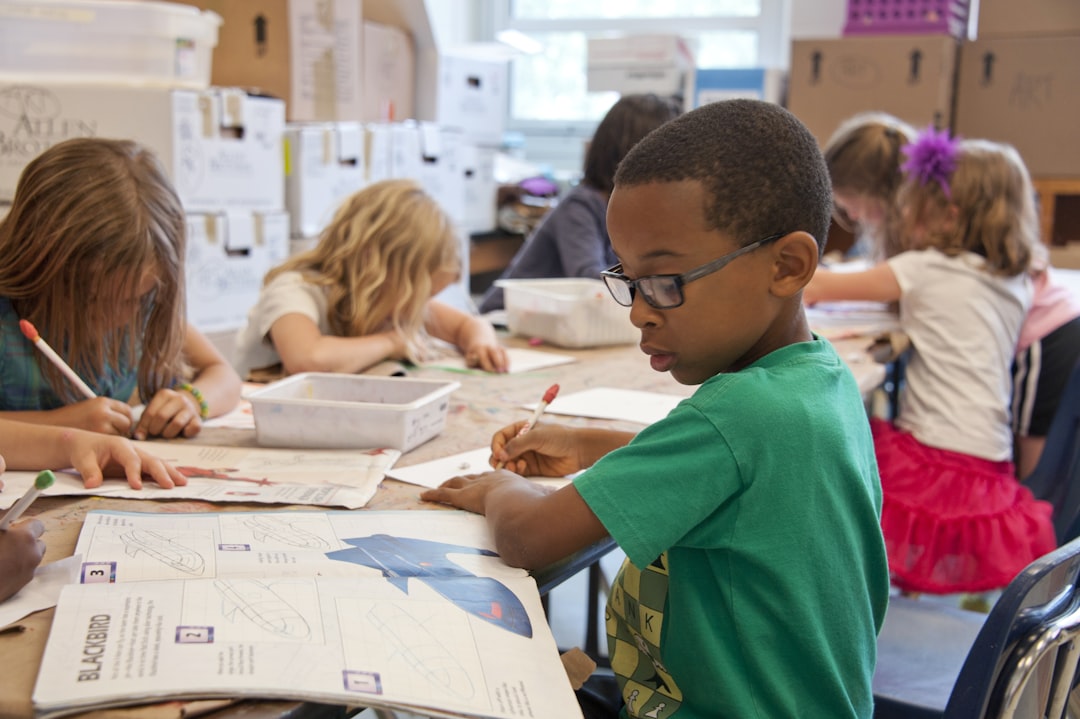
The eager eyes of young children enter school each fall. They want to learn, they want to learn to read. However, a significant number of our children struggle to learn this fundamental skill critical to academic success. If you cannot read, you cannot spell, write a sentence, and do math (read instructions), read science, social studies, literature, or virtually any subject in school.
Eager kindergarten and first graders slowly become the “unmotivated”, disinterested learners as they progress through school. Millions of adults never master the skill of reading and their lives are tremendously affected because they can’t read well or at all.
So as a parent, how do you know if your child is a struggling reader? First, review this readiness checklist: Unusual pencil grip, difficulty rhyming words, classifying objects, and following directions, poor fine motor problems (printing cutting coloring), difficulty with like and difference, poor oral language and gross motor skills, restless and difficulty sitting still.
In addition the following indicators can identify your child’s reading struggles early-on. Catching reading difficulties early is important to keeping a child happy and motivated before they fail.
Sight Word Reading
Most schools provide a list of required grade level sight words. While this is not really teaching reading, if your child struggles learning their sight word list, learning to read may become a challenge.
Learning Letter Names and Letter Sounds
Does your child know letter names? Does your child know both the upper and lower case letters? Even more important, does your child know the sounds of the letters? Knowing letter sounds is critical to reading success.
Sounding Out Simple Words
Can your child combine three letters (consonant—short vowel—consonant) to read a word, for example, “b – a – t” is bat? This difficult skill is critical in the reading process. Many children can learn the letter sounds but struggle connecting sounds to form words.
Does Your Child Enjoy School?
Does your child complain of headaches, stomach aches, or just doesn’t like school, this is a huge red flag! Most young children love: school, being with other children, and learning. While learning to read may not be the cause of school frustration, it is important to eliminate it as the cause.
Your Child Will Outgrow It
Many parents tell me their teacher says, “Their child will outgrow their reading struggles Most of the time, a struggling first grader becomes a struggling fourth grader.
My Child Likes Me to Read to Him-Her
My first grader loves to have stories read to him/her. However, he/she fusses when I ask them to read to me. If your little one has always enjoyed books and being read too, pay attention if they don’t want to read to you at all or it is extraordinarily difficult for them.
Learning to read should be an exciting time for any young child. If it isn’t, steps should be taken to figure out why and provide the needed interventions.